
Author: Anya Cooklin-Lofting

Passion Investments & NFTs

By Anya Cooklin-Lofting

For many, investments of passion are a welcome balm to the complexities and intangibilities of more traditional investment categories like stocks and bonds. At their most basic, passion investments involve the purchase of items you love that tend to be defined by their rarity, quality, cultural or aesthetic value and of course, their demand. It is all about investing in alternative kinds of assets that bring you more than just a return on your investment should you choose to sell. In other words, such investments offer investors the chance to enjoy the items under their care. 
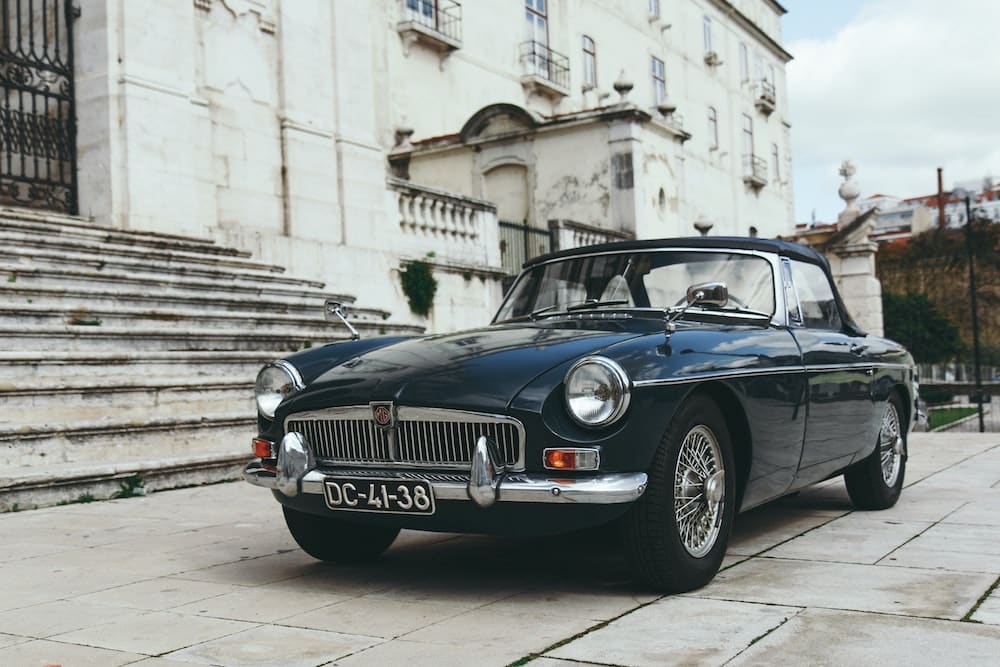
Typical passion investments include art and furniture, jewellery, coins and cars, which generally demonstrate an increase in value over time, or at least tend to hold their value. Because passion investors aren’t guaranteed a return, it’s important to look at how different passion investment categories have performed over the last couple of decades to help inform their purchases. However, investments of passion do tend to perform well during periods of economic uncertainty because the value of passion asset classes doesn’t undulate with the rise and fall of potentially unfavourable stock markets. In this way, passion investing proves to be a sensible, enjoyable and rewarding way to diversify your investment portfolio. 

The best part about investing, and investing in passion asset classes more specifically, is that you don’t have to be an ultra-high net worth individual to get involved. While there are some categories that demand a certain amount of wealth due to the nature of the assets (such as classic cars), the majority offer entry-level investment opportunities for every budget.
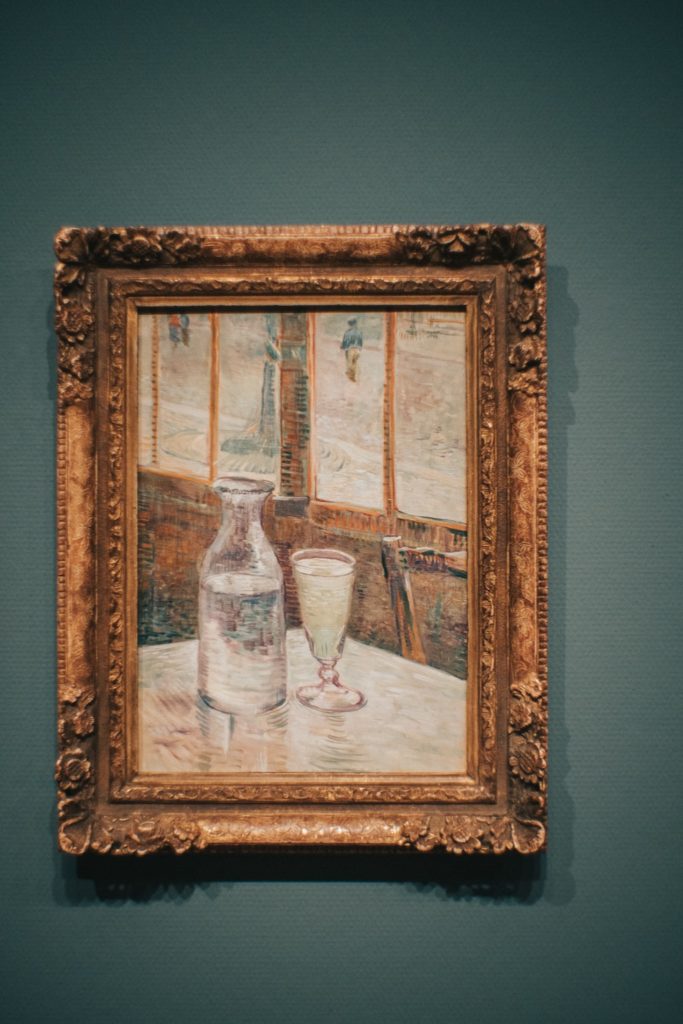
Fine art is the best example of a passion investment that feels at once democratic and exclusive depending on the financial commitment you’re happy to make. Although there is no guarantee that your investment will pay off, you’ll be able to enjoy the art while you own it and bide your time while tastes and demands fluctuate. 
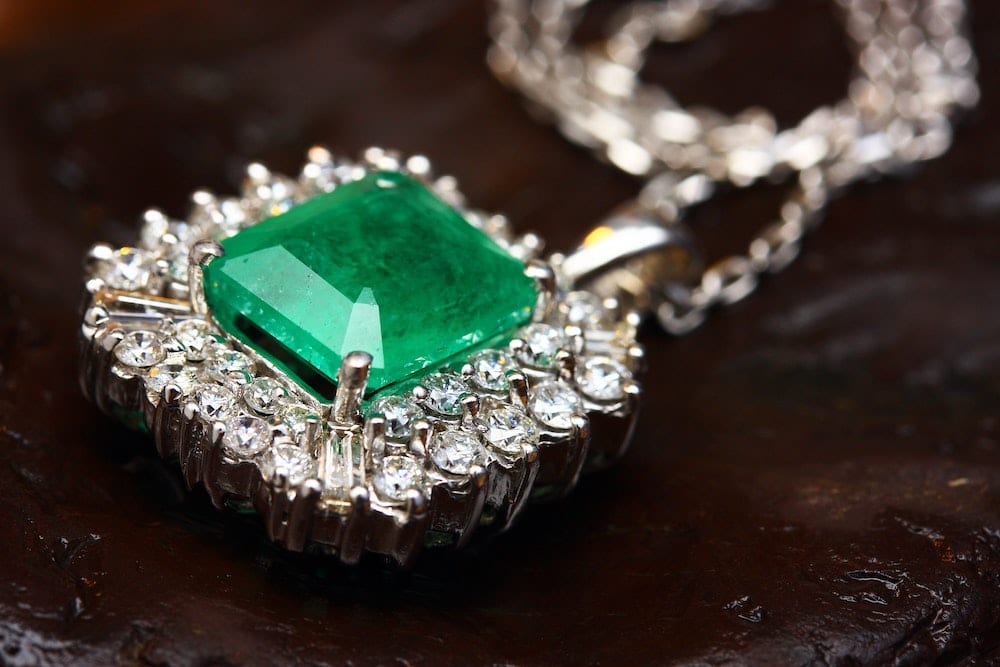
The same principles can be applied to antique and designer furniture or jewellery. Our collective, quickly changing tastes and preferences adversely affect the valuation of these kinds of assets. The best thing to do over and above enjoying your purchases is to keep them safe, clean and out of direct sunlight.

The more progressive, experimental set of passion investors, however, are turning to other asset classes. Designer trainers, for example, have come into their own as an investment category, hence the £22,783 price tag attached to the Kanye West X Louis Vuitton collection. But one of the most headline-grabbing passion investment options is in Non-Fungible Tokens or NFTs, which allow passion investors to own digital assets. 

In the midst of the pandemic in March 2021, market tracking revealed a collective spend of US$200 million on NFTs including artworks, memes and gifs. Fundamentally, an NFT is a non-interchangeable, non-replicable asset, making it more similar to a piece of art in the physical world than the cryptocurrency one would use to buy it. 

This is well summarised the popularity of ‘Bored Ape’ NFTs, a limited edition of 10,000 artworks with different unique traits and qualities, owned largely by super-rich musicians and sports personalities and created by the application software developer, Yuga Labs. The very human act of art-buying is driven by aesthetics; we buy the art that speaks to us, and this is also how passion investors pursue their NFTs, and Bored Apes in particular. But on a wider, slightly more psycho-sociological level, Yuga Labs has created a brand-led community in the same way that other luxury brands have done, giving wealthy participants in the community a sense of belonging and prestige. They have successfully built a digital community that uses a heady cocktail of ‘hype’ (as celebrities publically invest in their NFTs) and new technology to charm an audience and persuade people into passion investments that serve to express their digital identities. 

In the same way a passion investor in physical fine art might collect works from a narrow artistic movement, era or style to say something about who they are in the world, NFT investors are investing in works that inform their digital presence. All of us with any disposable income have those things in our lives that feel like part of the collage of ‘stuff’ that makes up our curated personalities. NFTs are just an extension of that phenomenon but in the digital world. 

The Benefits of Investing in PR

By Anya Cooklin-Lofting

Ironically, the public perception of public relations is inaccurate. For an industry so concerned with the positive reputation of its clients, its own image in the mainstream has been warped, defined by uproarious recalcitrants like Samantha Jones, Malcolm Tucker and Edina Monsoon. The reality of PR has less to do with shambolic Champagne receptions, ludicrously late nights and even later mornings, and more to do with strategic planning, creative, critical thinking and compelling storytelling. 

At its most basic, PR is the framework for the interaction between companies and their customers via the media. When you instruct a PR agency or a consultant, you are trusting them to tell your brand story to the right journalists at the right time to help position your brand, services and products in the magazines your audiences read. This generates awareness in your key demographics and, eventually, commercial gain. 

PR holds sway. It is an effective way to authentically spotlight your company from the respected position of third-party endorsers – the press. Unlike advertising, the only financial exchanges should be between you and your PR expert, and the journalist and the media house they’re writing for. In other words, your PR coverage is earned based on the integrity and value of the story you are telling; no money is exchanged between you and the journalist. In this way, investing in PR is one of the most genuine approaches to implementing a meaningful media campaign. It is also one of the most economical: your monthly spend with an agency or a consultant will almost certainly be much lower than if you were to consistently buy media space, especially from high-circulation magazines or websites.

However, high circulation coverage won’t always be a marker of success, as the kind of media coverage you are aiming for will differ greatly depending on the audiences you want to engage. There is no one-size-fits-all option and key performance indicators vary greatly between campaigns and from business to business. More often than not, titles that boast high circulation and a global reach might not be right for your business. For example, a huge, glossy, double-page spread in Vogue could be less successful for your company in terms of conversions or website traffic than a great piece in a niche magazine with a readership that’s more responsive to your services or products. 

Despite the distinct qualities and nuances of different campaigns, the uniting ingredient of each is a solid understanding of target audiences. Your PR agency must fully understand the behaviours, passions and pastimes of your existing and prospective customers, such as the magazines or websites they read, their finances, their geography and whether they shop online, in-app or in-store. It would be counterproductive, for instance, to run a print-led campaign for an e-commerce business with an expanding social media following. Similarly, for a company whose target audience subscribes to a specific mix of print newspapers, it would be far more effective to reach out to the editors of the relevant supplements or desks at these titles instead of pursuing influencer PR opportunities on Instagram.

A great example could be a company selling beautiful, handmade handles for kitchen cupboards and drawers. They might hand-craft each product and may not have the facility to ship internationally, choosing instead to focus on their UK customer base, easing pressure on their craftspeople. For this business, the PR campaign should respond to and facilitate these commercial goals, positioning its products in British design magazines read by home renovators, or trade publications read by kitchen designers. They could also look towards home-interest social media accounts with a high engagement for gifting opportunities in return for exposure, tags and mentions. The big brand story in Forbes or in the internationally poured-over FT How to Spend It can wait until the CEO is ready to take their business to the next level, adjusting the objectives of the PR campaign to support this. 

Your PR agency or consultant will be able to guide you seamlessly through the process of increasing your share of voice in the right media, be it locally, nationally or internationally. They are often the source of the most creative, dynamic ideas when it comes to storytelling, product launch proposals, events, photoshoots and collaborations. A good agency will support and advise you based on wider industry trends from their vantage point at the centre of the communications world, always at the ready with your brand’s name front of mind. Of course, they’ll be the first to raise a glass to your Absolutely Fabulous successes, too. 

London Design Week Trends

By Anya Cooklin-Lofting

From Sunday 13th to Friday 18th March, the Design Centre Chelsea Harbour opened its doors once again to hoards of interior designers, home renovators and the media to celebrate its loyal brands’ new spring/summer collections for London Design Week 2022. The annual event is a hub for designers to sample new fabrics, wallcoverings, furniture and accessories, supplemented with a talks and events programme that allows visitors access to the top designers of our time. Some of the showrooms at the Design Centre also offer interactive sessions like block printing at Morris & Co. or watercolour painting at Cole & Son, to engage their customers and ignite a passion for craft and making. 

Every year, the organisers forecast trends for the year ahead based on the creative direction of the collections and designers. This year, the spring/summer trends are hugely varied, completely compelling, and at once timeless and of the moment. From Bridgerton-esque pastel passementerie to Avant-Garde abstraction in the style of Sonia Delaunay, all signs point to personality-laden spaces filled with colour and texture with a sense of reserved grandeur. Here is a run-down of the themes and motifs the London Design Week experts are seeing for 2022…

Fondant Fancy

According to London Design Week, the Fondant Fancy trend is less stuffy and starched than delightful, sweet and frothy. Tones of classical confectionary abound, evoking sorbet, macarons, tiered wedding cakes and patisserie. The trend is defined by furniture inspired by 18th-century boudoirs with frills, thoughtful details and floral upholstery. Accents of fringing, piping and tassels are integral to this look, giving each cushion, vase, lamp or rug a touch of regal glamour. 

New Shoots

Not unlike Fondant Fancy, this trend relies on vintage charm with a nature-inspired twist. With delicately rendered pattern repeats available as wallcoverings and fabrics, many design brands have turned to botany and the English countryside for a feeling of freshness in their new collections. Interestingly, London Design Week believes that this more domestic approach diverges from the lush, tropical designs like banana leaves and palm trees that were popular before the pandemic. This could be indicative of the way we all came to value our local parks and gardens more than ever while international travel was halted.

Brighton Pavillion

Inspired by the south coast’s Regency pleasure palace, this trend is theatrical and expressive – perfect for those who entertain at home. Chinoiserie, golden accents, Eastern-inspired prints and rich, jewel tones coalesce to bring a refined sense of occasion to the home, from wall hangings to rugs, lighting to wallpapers. 

Sonia

Early 20th-century artist, Sonia Delaunay, is the figurehead of this trend and who, 100 years on, is still making an impact in design. The artist is best known for her bold, abstract paintings and for the costumes she designed for the Ballets Russes, a French ballet company that, despite the name, never performed in Russia. For London Design Week, her relevance to the modern design landscape is clear: the energy and speed of modern life, from street lighting to modern dance, is captured in today’s fabric, wallpaper, tile and flooring designers, who are incorporating her expression of vitality in their new collections. 

Mystic Garden

Described by London Design Week as “hippy and trippy,” this melange of vibrant colours, Indian inspired block-printed fabrics and papers and psychedelic upholstery is a real treat for the eyes. In the tradition of the Hippy Trail of the 1960s, mandala-style motifs, stylised florals and warping stripes comprise this trend that has maintained its appeal 60 years on.

Stitch & Weave

Sustainable materials like grasses and some woods have been a mainstay in interiors for a few years, especially with the rise of handcraft and more rustic finishes. This trend draws on the skills of artisans around the world using weaving and stitching techniques to create unique, eco-friendly, affordable and stylish homeware for contemporary living. A mainstay of this trend is rattan, which can be grown and harvested within two years, compared to some hardwoods that can take up to 30 years to fulfil the same demands. All kinds of furniture can be made with rattan, from chairs and trunks to headboards and coffee tables.

The Diversity of Africa

By Anya Cooklin-Lofting

A continent fit to burst with things to do and see, Africa is a place of sheer diversity, both culturally and geographically. From the chance to see awe-inspiring landscapes and majestic animals to the opportunity to sample the very best African wines, music and arts at festivals and events, there is no more exciting, varied and striking place to visit with friends, family or as a solo traveller.

Spanning over 30 million square kilometres, Africa is almost three times bigger than Europe. It is close to impossible to hold in your mind at once just a fraction of some of the most incredible places to visit in Africa. From Cape Town to Marrakech, the Atlas Mountains to Nairobi, the multiplicity of possible experiences is hugely exciting. This week, I’m delving into some of the hottest spots for tourism on the continent, in the hope of demonstrating quite how much there is to explore beyond safaris and all-inclusive hotels.  

Cape Town

Cape Town is the capital of South Africa and the site of some of Africa’s most luxurious travel experiences. Known as a hub for wine connoisseurs, there is an unrivalled selection of vineyards offering tastings and tours (some involving a horseback ride through the winelands). The city’s cultural life is also thriving now the District Six Museum, the Iziko Museums and The Heart of Cape Town Museum have all reopened post-pandemic. Keeping active travellers entertained is easy, too. Some great ideas include climbing table mountain, exploring the Kirstenbosch National Botanical Gardens (above) or surfing in Muizenberg.

Marrakech

A glowing mosaic of palaces, souks, gardens and mosques, the Moroccan city of Marrakech is a jewel in the African continent. A melting pot of European, Arabian and Berber influences, its cultural hotspots each demand attention. Its labyrinthine marketplaces provide a shopping experience unlike any other for jewellery, spices and pottery, a stark contrast to the tranquillity of its walled gardens and shaded courtyards. The Jardin Majorelle is just one example of such an oasis, a botanical garden filled with different cacti against the iconic blue walls of French painter, Jacques Majorelle’s Cubist home. Nearby is the Yves Saint Laurent Museum, named for the fashion designer and dedicated to his work. 

Atlas Mountains

From Marrakech, visitors can embark on a journey to the Atlas Mountains in the Maghreb region, travelling in a comfortable, air-conditioned 4×4 or atop a camel for a more authentic experience. Explore traditional Berber villages, waterfalls, valleys, and depending on when you visit, swathes of wildflowers or snow-capped mountains. One particularly beautiful place to aim for is the ksar, or fortified village, of Ait Ben Haddou (above), an 11th-century, UNESCO World Heritage-listed mudbrick building that was used as a resting place on the trans-Saharan caravan routes. The Ouzoud waterfalls and the decorated buildings of Ouarzazate are also worth the journey.

Nairobi

Kenya’s capital, Nairobi, takes its name from the Maasai term, Enkare Nyirobi, which translates to ‘the place of cool waters,’ signifying the intersection of the Nairobi and Tana rivers with the city. Beyond the confines of the capital, which is home to three million people and is one of the biggest in Africa, Nairobi is surrounded by over 100 kilometres of plains and forests that comprise its National Park, the only one to border a major metropolitan city. Luxury spas and hotels abound, as do opportunities to get up close with some of the rarest wildlife in the world. 

Cairo

An iconic symbol of ancient life, power and influence, Cairo is the deeply storied capital of Egypt. Fed by the Nile and punctuated by Giza’s great pyramids, the city wears its history on its vast plains and in its tightly wound streets. Its cultural influences are many and can be seen in Islamic Cairo’s (known also as Historic Cairo or Medieval Cairo) domed and voluptuous urban landscape. Landmarks include Al-Azhar Mosque (above), the site of the world’s most prestigious university for Islamic education and Coptic Cairo, the home of the Babylon Fortress, the Hanging Church and the Coptic Museum, which houses the largest collection of Coptic Christian antiquities in the world. 

How to Create an Eco-Friendly Wardrobe

By Anya Cooklin-Lofting

It’s common knowledge that fashion is one of the most polluting industries. According to style magazine, The Face, the fashion industry is responsible for 10 per cent of global carbon emissions. What’s more, the magazine also reported that annually, 300,000 tonnes of unwanted garments are binned. The scale of the waste, from the garments themselves to the water and energy used in their production, is gobsmacking. Of course, it would be remiss not to touch on the awful conditions that the staff at some of the biggest fashion houses are forced to work in. Fashion’s problems run deep, with more issues than Vogue and more dirty secrets than Cosmo.

So, in the rare moments that we aren’t campaigning on Oxford Street and writing to the CEOs of some of the biggest fashion troublemakers, it’s time to think about how we can affect some change on a personal level, assessing our options putting our greenest foot forward. There are many ways to approach curating an eco-friendly wardrobe, and I want to caveat this by saying that 99 per cent of the options available won’t break the bank. In fact, my first tip will actually help you save money while doing a little bit of good…

Shop Your Wardrobe

One of the best ways to curate a wardrobe that doesn’t hurt the environment (any further) is to shop the rails in your own bedroom or dressing room. In other words, rethink the clothes you already own, adopt a fresh perspective and look at the new ways you can style pieces for a fresh new look.

Shopping your wardrobe requires careful organisation. If you’re anything like me, your wardrobe starts the year in perfect order and quickly descends into a chaos of creases, making it impossible to see beyond the handful of pieces you keep on rotation. Giving yourself more of a boutique experience when it comes to getting dressed in the morning or for an evening out means creating a shopfloor environment. For example, group your blazers near your shirts or camisoles, stack your jeans in a neat pile on a shelf and hang dresses of the same length or style together. Not only will this take your wardrobe to level-Kondo, but it will also make the process of selecting pieces a pleasure rather than a (physically exerting) chore.

Of course, this kind of organisational activity will help you rediscover both the pieces you love and those that you never want to wear again. For the pieces that fall into the second category, keep a bag close by to fill and take to your local charity shop.

Renter’s Paradise

To maintain all that extra wardrobe space and to keep up the organisational pace, renting clothes for special occasions, or even nights out with friends, is a sure-fire way to keep your look fresh and eco-aware. Rental sites like Hurr and Rotaro offer style-led, high-fashion, designer items on a short-term basis across accessories like handbags and jewellery and clothing from bridalwear to winter coats. 

Making a conscious step away from the mindset that tells us we must buy-to-keep, from anything including housing and cars to pets and clothing, really does serve to help save the environment. One particularly interesting feature of the Hurr site is that each garment is listed with environmental savings. For example, renting a shimmering, rhinestone-embellished, Prada shift dress for £134 instead of buying it for £2,500, saves the carbon dioxide equivalent of 42 trees or 9,041 miles in a car.

Pre-Loved Updates

Now, if you must buy new clothes with any frequency, the best way to do this is by shopping second hand. Charity and vintage shops are perfect for the thrill of finding a diamond in the rough (or, in my case, a perfect Eighties jacket with in-tact shoulder pads). Second-hand shopping is understandably daunting for newcomers, but once you get the hang of it, there’s really no greater pleasure.

It’s all about approaching the rails with an open mind. The easiest mistake to make is to go looking for a specific item, and in your haste to find said item, miss out on all the brilliant finds that fail to resemble the piece in your mind’s eye. In this way, second-hand shopping should really be seen as a fun outing or activity to do with friends when you can give it the time it needs (with all the necessary coffee breaks).

Shopping the Top Eco Players

And finally, for those who can’t break from their retail therapy, there are so many options out there for truly sustainable new garments. From retailers and makers on Instagram to pop-up clothes shops on some of London’s cooler highstreets, the choice is overwhelming. A quick Google search will bring up countless options to suit your style and taste, but a few of my favourites are Franks, Sézane and Boyish.

How to Achieve a Healthy WFH Lifestyle

By Anya Cooklin-Lofting

Falling into a less-than-ideal routine while working from home is unsurprisingly easy, especially over the winter. Long, dark mornings do very little to inspire early rising, pre-work jogging or green smoothie breakfasts while cool afternoons call for pantry raids and frothy coffees. The eradication of our commutes keeps us at our desks longer, eroding quality family time and racking up our Zoom time.

Cultivating a healthy lifestyle when you work from home is incredibly rewarding and by setting achievable goals, you can bring more fulfilment and productivity to each day. The key is to make and keep promises to yourself that helps to build self-trust, thus self-respect and a sense of pride in your day. 

Here are a few tips for elevating your WFH schedule, prioritising a holistic attitude to your health and your productivity.

Keep Tabs on Your Overtime

It’s easy to work longer hours when there’s no rush to get home. Before the pandemic, leaving the office in the evening signalled the beginning of the race to hit that gym class, get back home, prepare dinner, squeeze in some wind-down time and get a full 8 hours of sleep. These days, we’re working smarter and using the time we save from our sofa-to-desk commute to tackle some life admin, get our endorphin fixes and pre-heat the oven. However, try not to fall into the trap of working overtime just because you can. If, like me, your dining table doubles as your desk, it’s important to keep tabs on the hours you spend there. If your choice of evening activities is a toss-up between binging a new series on Netflix or clearing your work inbox, why not try something new? Removing yourself from these patterns can help to curb the urge to burn the midnight oil. 

Commit to Your Commute Time

Once you’ve put healthy boundaries in place around the time you spend at your desk, it’s time to look at how to enrich your spare time. Using your usual morning commute time to read, learn a new skill or language or get in a yoga session will set you up for a productive and happy day. Knowing that you’ve accomplished something before work, even if it’s just some time taken for yourself to think, provides a sense of ownership of your day. It’s easy to let work take over, so reclaiming some time before the workday starts is crucial.

Keep Moving

Moving your body throughout the day will improve your concentration, keep you physically healthy and will contribute to a more positive mindset. You don’t have to join a running club or go to a spin class to feel the benefits. A lunchtime walk or a mid-morning stroll to the local cafe for a coffee will blow away the cobwebs. If your work diary is fit to burst with unending calls and Zoom meetings, why not take one or two of those calls outside in the garden or while you walk in the local park?

Stay Hydrated

Coffee doesn’t count here! Make sure you have a glass of water on your desk at all times while you work from home. Not only does keeping hydrated help to keep organs functioning properly, but it also improves our cognition, our sleep quality and our moods. If you feel you need a reminder to drink more water throughout the day, why not invest in a beautiful glass carafe for a deskside visual cue?

Create an Inspiring Home Office Space

Finding inspiration and motivation in a plain, under-loved home office is next to impossible. Make sure your workspace, be it an entire study or a corner of the dining room table, makes you feel creative and confident. Houseplants make great deskfellows, as do framed family photographs, special stationery and a really lovely paperweight. Bring art, soft furnishings and good lighting into the mix and you have yourself a haven for the working hours that will keep stress levels low and cheerful industriousness at an all-time high. 

Give Yourself Some Closure

At the end of the working day, it’s important to create physical distance between yourself and your laptop and other accoutrements of your employment. If your living room has taken on more of a multifunctional role since the beginning of the pandemic, ensure all signs of work are packed away neatly, ready for the morning. Dedicate a drawer to store your laptop, pens and notebooks to keep work out of sight and out of mind, allowing you to truly switch off in the evening. If you work from a dedicated study or office space, clear the space of clutter and close the door. You’ll thank yourself come the morning when you have fully decompressed and feel refreshed and ready to take on the next challenge…

Top Private Islands for Sale

By Anya Cooklin-Lofting

Do you ever find yourself longing, not for absolute silence, but for quietude punctuated only by the churn of sand under yawning wavelets, the fissle of leaves touseled by a warm breeze? And what about solitude? Not the reluctant entrapment of a metropolitan flat under lockdown, but the liberating aloneness that fills your lungs and deposits time and energy at your feet in an unexpected oblation? Thought I wasn’t the only one.

For some, a second home in a sleepy seaside village or atop a remote, rocky outcrop in a Bond-villain-style compound doesn’t provide the necessary distance from the ‘real world’ to induce complete and undisturbed restfulness. Luckily, there exists a plethora of paradisiacal options for these peace-pursuers, solitude-seekers and horizon-hunters. The private island is a marker of luxury living, and it’s easy to see why. From X to Z, there are islands, archipelagos and atolls to suit all sensibilities. Here are a few stand-out options on the market today.

Little Whale Cay

What and where?

Set in The Berry Islands in the heart of the Bahamas, Little Whale Cay is a 40-acre, self-sustained private island flanked by the deepest blue lagoons, sprawling coral reefs and unending seascapes. The island is accessible by plane from Florida or Nassau and features a 2,000 ft landing strip.

The hook…

The island is a wonder of surprises which include a church built from native coral stone, a private lake with flamingos, a sea-view infinity pool, a yoga deck and tennis courts. Its waters are also perfect for snorkelling and sailing. 

Who?

Sotheby’s International Realty, $35,000,000.

Crown Pigeon Island

What and where?

Crown Pigeon Island lies just off the shore of the North Eleuthera, the Bahamas, and is set between idyllic white sand flats to the west and the crystal-clear waters of Harbour Island harbour to the east. Its 11 acres offers wildlife-friendly, lush flora including native hardwoods and coastal vegetation, as well as three natural beaches. 

The hook…

The island’s four-acre harbour is a sea turtle sanctuary, so lucky visitors have the opportunity to observe some of the most exquisite, exotic wildlife from the privacy of their own gardens. 

Who?

Sotheby’s International, $44,495,000.

Hoffman’s Cay

What and where?

Pristine in its natural, untouched glory, Hoffman’s Cay is a 350-acre island set in The Berry Islands, 50 miles northeast of Nassau. Accessed via deep water channels, the island is a short distance from Great Harbour Cay and New Providence.

The hook…

Hoffman’s Cay has its very own blue hole, a mesmerising depth of deep, royal blue water to explore. 

Who?

Christie’s International Real Estate, $18,000,000.

Viscontea Island

What and where?

Steeped in history and laden with interesting architectural details, this island is around half an acre of Italian land, afloat in the waters of the River Adda. Viscontea Island is located in Lecco where a branch of Lake Como flows into the river and comprises part of the ancient structure of the Azzone Visconti bridge when the materials were deposited into the water, forming the landmass itself. The island is a mere 50-minute drive from Milan Malpensa and Milan Linate, and just 30 minutes from Bergamo airport.

The hook…

Some researchers have suggested that Leonardo Da Vinci may have been involved in the construction of the bridge and thus the island as early as 1500.

Who?

Private Islands Inc, $1,896,474.79.

The Best Staycations to Get Your Wellbeing Fix in 2022

By Anya Cooklin-Lofting

As the ashes of New Year’s fireworks settle and the Christmas ornaments are wrapped in their ancient papers and stored, from the glittery haze of Betwixtmas emerges a singular sensation, a paradoxical cocktail of both gloominess and determination. Yes, it’s still cold, and no, crisps and wine probably aren’t an acceptable mid-afternoon snack, and yet, the sense of a new beginning is enough to lift us from our spiced, mulled slumber with startling enthusiasm. It’s time, once again, to focus on what our bodies and minds truly need over and above the obligatory festive indulgences.

It is well known that gyms experience peak sign-up rates in January and that these first few weeks of the year see us reaching for rice cakes instead of the leftover Christmas cake, but our New Year’s resolutions can often leave us feeling less resolved and more reluctant. Wellbeing isn’t just for January, so why not follow my lead and plot some wellness highlights into 2022 with staycations to help you reset, refresh and recharge? Whether you’re after a fitness kick, a soothing spa weekend or the peace and quiet that distance and space can bring, read on…

Lake District – Walking & Fitness

The Lake District is one of the walking capitals of the world, perfect for getting away from the bustle of the city and reconnecting with the natural world. With a bottle of water and an apple in tow, I have found myself feeling refreshed, active and satisfied, hillside, lakeside and fireside on trips to the storied land of poets, writers and artists. Its bucolic cosiness is unrivalled in the UK, and the rush of following a map and reaching a peak, pit or pitstop on a track unfailingly brings a sense of achievement to my annual leave.

The Lake District’s towns and villages are tucked into crevices between the still bodies of water that lap at their shores and are dotted with tearooms and pubs that crop up exactly when you will them to after a bracing walk through rolling countryside. The choice of walks is almost overwhelming in these parts, but the walk from the Honister Pass to Haystacks, one of A. Wainright’s favourite fells, is one I’ll certainly be revisiting.

Bath – Wellness & Water

Bath is a hugely popular spa town with hot springs that were known to inhabitants as early as 60 AD when the Romans built temples and baths along the River Avon. Since this time, the town has become something of a site of pilgrimage for those seeking the curative properties of water and was cemented as a wellness destination by the Georgians. For a restorative break steeped in heritage and rich in culture, Bath offers a peek behind the veil of history as well as a modern homage to the Romans’ innovation.

The Roman Baths themselves are no longer fit for their original purpose, but visitors are welcome to explore the pools, the hallowed springs from which over a million litres of naturally heated water gushes every day and the remains of saunas and changing rooms. With a sense of the history of the therapeutic, healing waters, visitors to the UNESCO World Heritage site can make the one minute commute to Thermae Bath Spa on Hot Bath Street to take the waters themselves. The modern complex has views across the hodge-podge of the city’s golden, Bath Stone skyline, the perfect reminder that these waters are as rich in history as they are in health-giving minerals.

Isle of Skye – Distance & Solitude

For an enchanting, memorable and restful break, why not look to find peace and quiet on The Isle of Skye, a remote island connected to Scotland’s northwest coast by the Skye Bridge? The rugged landscape is encrusted with Medieval ruins and laden with stories of fairies, giants and Selkies, ‘seal folk’ that shed their skins and turn into humans. The island’s scenic hiking opportunities abound with routes via the Fairy Pools of glass-like water and the Old Man of Storr, an imposing rock formation that serves as a landmark for miles and resembles the face of an old man.

Soothing for the eyes and the mind alike, lucky visitors to the Isle of Skye over the winter months can see the Aurora Borealis Northern Lights. The lights generally appear white to the eye at this latitude but are no less magnificent than imagination might prophesy. The dancing sheets of spectral light are most visible in wide, open areas making evening hikes all the more magical.

Top 5 Scenic Train Routes

By Anya Cooklin-Lofting

It is rare these days to stumble upon moments devoid of the need for distraction. Podcasts and music streaming services deliver almost constant scores over which to perform our daily tasks and we have windows to the Universe tucked into our pockets for easy-access escapism. Life under lockdown was particularly screen-centric, so to make up for lost time, I have begun chasing down moments to live in, distraction-free. Keeping my phone in my handbag at dinner with family and friends has been a great place to start, as has been removing my headphones on my morning jogs to hear the birds and the rustle of the wind in the leaves.

Confident in the knowledge that watching the world go by in real-time brings balance, a sense of peace and an earthly pace to each day, I began to wonder how best to sit back and focus on the world around me. It became very apparent that travel, and being in transit more specifically, offers the perfect environment in which to do that. While flying gives you awe-inspiring views across whole countries and cloudscapes, there is something far more human, more intimate, about train travel. Tracking the shifting landscapes as they modulate like stage sets reveals a world of bucolic splendour, glistening, glass cities, coastlines battered by relentless tides and valleys clad with thick forests. Unlocking your phone as you snake along a track that hugs the undulations of a crumbling coastline or as you pass over a soaring viaduct feels positively criminal.

So, today, I’ll be rounding up five of the most scenic train trips around the world. Prepare for rugged mountainous landscapes, endless seascapes of aquamarine and epic architecture to give your next adventure a hit of Golden Age grandeur.

The Venice Simplon-Orient-Express

What better train trip to start with than the Venice Simplon-Orient-Express, a Belmond train that breathes life into stories of spies and detectives set onboard its illustrious carriages. The most popular route on this storied train begins in London, arriving in Verona or Venice, although Prague, Vienna, Paris and Budapest also benefit from its 5-star services. Guests travel in one of six private suites each named after some of Europe’s most historic cities, paying homage to the train’s journeys through the very veins connecting Europe’s cultural capitals. In this case, of course, the interior might be just as alluring as the exterior views, but when it comes to simply luxuriating in your surroundings, either will do nicely.

California Zephyr

A tasting menu of the delights of American variety, the California Zephyr takes passengers from Chicago, Illinois to Emeryville California via showstopping sights including the Rocky Mountains, the fiercely red, sculptural plains of Utah, the Sierra Nevada, the Donner Pass and San Francisco Bay. Travellers have the option to visit the Sightseer Lounge complete with broad, tall windows and comfortable, window-facing seating for optimal views. Beware, though – the lounge seats are available on a first-come, first-served basis and it fills up quickly.

The TranzAlpine

New Zealand is something of a lodestone for adventure-seeking, global travellers with a love of the great outdoors. Although much Kiwi travel makes best use of its slick domestic flight network, the TranzAlpine express train route is one of very few in existence. Whisking passengers from the bustling city of Christchurch to the historic, West Coast town of Greymouth, the journey hugs the Waimakariri River, negotiates the Southern Alps and offers striking views across miles of beech forests.

The Mandovi Express

Your 12-hour journey on board the Mandovi Express leaves from the Victorian spectacle of Mumbai’s Chhatrapati Shivaji Maharaj Terminus, an Italian Gothic-style station designed by architectural engineer, Frederick William Stevens. Weaving its way down the Konkan Coast flanked by the Arabian Sea and the Western Ghats, the train crosses over 2,000 bridges, passes coconut groves and reveals the lush plains of the West Coast’s countryside. Passengers are free to await their arrival in Madgaon from their seats or from the pantry car, watching the cooks conjure a heady mix of traditional cuisine including thalis, biryanis and dals.

The Trans-Siberian Railway

Russia is certainly a country of extremes and its Trans-Siberian Express is no exception. The longest railway line in the world, the Trans-Siberian Express connects Europe’s largest city, Moscow, to Vladivostok on the Pacific Ocean, across almost 10,000 kilometres. For over 100 years the railway has connected the two cities, but plans are now in place to extend the line to Mongolia, China and North Korea. The current route takes passengers over the Ural Mountains, across the sprawling Steppe and offers views of Lake Baikal, the world’s deepest, oldest and largest freshwater lake.