Tag: culture

Partner Focus – Talbot Capes Ltd

Talbot Capes Fine Art Management offers high-quality, discreet curatorship and care for art collections of all sizes and contents. The team handles everything from cataloguing, provenance research and inventory management, to shipping and installation, advising on climate control and conservation. Working to museum quality standards, they ensure the highest level of care to art collectors all over the world.

Prior to founding the company, director Sarah Capes had worked in both the public and private sectors of the art world for over ten years; exclusively with private collections for five years. She identified a clear market need for a business that could combine the curatorial skills necessary for public museums and galleries with those needed in private collections.

“The most exciting part of being an art collector is looking at art, making a purchase, and enjoying hanging that piece on the wall. But every work of art has a life of its own beyond that. Even a brand new contemporary artwork needs to be appropriately cared for in order to preserve it for future generations: it needs to be skilfully installed and well-lit, in safe environmental conditions. It needs to be properly logged, photographed and documented in a secure database, in order to save time and money on administrative procedures later down the line. All public museums and galleries have at least one curator – if not several – carrying out these tasks, and we believe that private collections should be able to secure with absolute confidence that same detailed level of care.”

By combining research, administration, curatorship and preventive conservation advice, Talbot Capes Fine Art Management provides peace of mind that not only are their clients’ artworks being appropriately preserved, but the value of the collection is fundamentally protected. Sarah and her expert team streamline what can be the daunting and time-consuming process of organising the documentation associated with every art collection – purchase records, sales invoices, photography, literature, import / export documents; this in turn can streamline a host of other processes, from organising insurance policies to legacy and estate planning.

The art market remains an opaque and unregulated one, where it can be difficult to know who to trust. As impartial and unbiased curators, Sarah and her team are able to offer honest opinions and act as a sounding board when clients are presented with acquisition proposals.

Having an overview of an entire collection allows the team to advise on acquisitions that will contribute thematically and sensibly to the collection as a whole, which can subsequently increase its value.

Many collectors lack the time to organise and manage their collections themselves. Talbot Capes Fine Art Management alleviates all of the many tasks involved, removing the burden from the collector and allowing them to carry on focussing on what it is they truly love: collecting.

“Sarah is a fantastic exponent of the art world. Her attention to detail and her approach to research and client support has been exemplary, and it has been truly inspiring to work with her and to benefit from her knowledge and expertise.” – Private Client, London

Genealogy: A Journey Into the Past

By Anya Cooklin-Lofting

The job of a genealogist is to prove, beyond reasonable doubt, the distinct, frequently remarkable, often unpredictable history of a family. Using family lore, genetic analysis, redacted files, historical documents and medical records, genealogists connect the dots to create a more rounded picture of how their clients have come to exist. They give individuals and their families a unique historical framework to understand how and why their ancestors made the decisions, entered into the marriages, moved to the countries or even committed the crimes that they did. Beginning your journey into genealogy is much like sitting for a portrait without the generous artistic license many painters afford to their subjects. A genealogist will present you with new data, strange new narratives and sometimes grim realisations, warts and all, that can change not only your self-perception but that of your entire family, living or dead. In the ultimate endeavour in separating fact from fiction, a great genealogist will conjure real voices from the past, scratching the very human itch that we each harbour to understand where (and who…) we come from.

Using the Past to Inform the Future

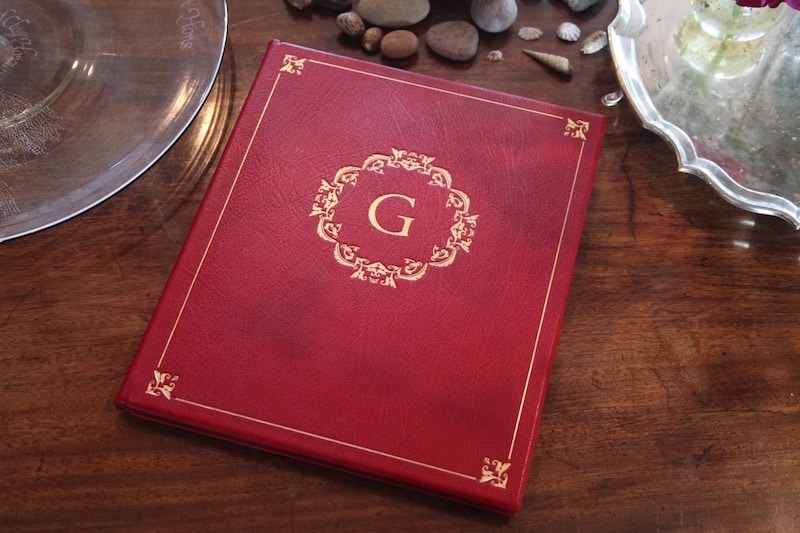
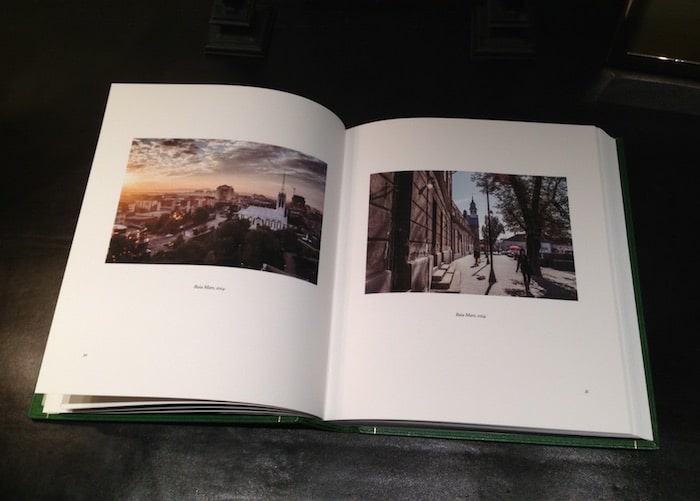
Genealogica is a unique firm that its clients instruct to undertake extensive ancestral research, delivering extraordinary findings by working with intentional government agencies and a global network of the most notable historians. Once a client’s family history has been unearthed to its fullest extent, Genealogica’s Emmy award-winning storytellers, published authors and academic historians craft a narrative to bring this unique history to life. The fun doesn’t stop there, though: Genealogica also commissions skilled artisans to design and bind these stories into future heirlooms, creating priceless works of art in the form of Ancestral Encyclopedias. The team can also plan and guide ancestral journeys, produce documentary-quality films of each project, locate and acquire lost family heirlooms, and build legacy collections.

The company’s co-Founder and CEO, Al Edgington, is no stranger to the intricacies of family history or the level of research that goes into unearthing such stories. He was nominated for Primetime Emmys in 2012 and 2014 for his work as the Executive Producer on NBC’s Who Do You Think You Are?, producing 35 episodes of the celebrity-led genealogical travel series over a five-year period. Since co-Founding Genealogica in 2013, Edgington has reunited families, shed light on the personal connections we bear to our pasts, and delivered exquisite works of art to express his researchers’ findings.

“All we have is human,” says Edgington, “and the information we’re able to uncover is valuable only for families. It’s human capital.” The work that the Genealogica team carries out goes beyond the performance of a service that its clients pay for. It abstracts itself from anything transactional when one considers the way it can help families understand one another, their pasts and their futures more clearly. “Clients who have all the luxuries in the world have told me that the best money they’ve ever spent is with Genealogica,” he says. So with this in mind, here are some of the top tips I took away from my conversation with Edgington, perfect for anyone about to embark on a journey into the past…

Prepare to Question the Perceived Identity of Your Family

During the filming of a 2012 episode of Who Do You Think You Are with Rita Wilson, the American Actress known for her appearances in Volunteers and Sleepless in Seattle, Edgington recalls her observation that “you can’t explain it. There’s something a little bit different about your life afterwards.” The existential quality that new, poignant information can carry is something you should absolutely prepare yourself for. For many families, enduring narratives about their cultural, religious or geographical history go unquestioned, and histories are fabricated for survival or out of shame. When the real story is uncovered, it can trigger feelings of loss ​of ​these very familiar stories and can cause families to reassess their sense of collective identity. “One client approached us for a 50th birthday present for a loved one,” Edgington tells me, “believing that the giftee’s family had always been Catholic. She grew up Catholic and felt a strong connection to her heritage in the religion. However, we discovered that her family, having suffered many losses in the Holocaust, were Jewish refugees. Even just this very objective information can completely change the identity of a family.”

History is Messy Business and Context is King

“History is mucky,” says Edgington, “and the past is complicated.” Genealogica’s clients and anyone approaching ancestral research should expect to shoulder the burden of objectivity as they begin to discover their family’s past, some of which could be unsavoury. “The truth is,” he says, “I have yet to meet a family without something hidden up its sleeve,” so it makes sense to manage your expectations. As Edgington advises, “don’t expect you’ll be from a bunch of heroes!”

“The important thing to remember is that there are so many reasons people choose to do the things they do,” says Edgington. Even if you disagree or are morally opposed to the actions of your ancestors, the likelihood is that they were only trying to do their best in the context in which they were surviving. The key is to keep a level head and understand that although your ancestors’ actions feel inextricably linked with your own, they do not define you. “Although we work with our clients to tell their stories in the context of historic world events,” says Edgington, “they appreciate that some of this stuff will be ugly, but also that the process is incredibly grounding.”

Summer Sun Culture Spots

By Anya Cooklin-Lofting

Picture the scene: you’ve donned your coolest, floatiest clothes, a pair of trusty flip-flops and a rather sweet straw hat you picked up at the stifling market square just yesterday afternoon. Your skin smells of suncream and there is a light breeze to cut through the relentless rays of glorious sunshine. It’s early, still, and the day still holds the promise of poolside peace, cocktails on the sand and a balmy evening with loved ones. Now, though, it’s time to check out some of the cultural hotspots of whichever island, city or untouched village you have escaped to for some of the very finest European summer sunshine.

Exploring the cultural gems of the local area while you switch off from the bustle of daily life is one of the most rewarding parts of a summer holiday. It helps to enrich your understanding of the region, from the religious sensibilities of the people to the aesthetic principles of the architecture, the influences on local cuisine to the customs of daily life. Local places of worship provide a cool sanctuary for a moment’s reflection while museums narrativise local history to give context and depth to the otherwise Instagrammable whitewashed walls and twisting cobbled streets. Read on for a few of the very best cultural must-sees in our favourite summer sun locations…

The Cyclades 

For ecclesiastical, architectural awe under the beating sun, look no further than Greece. Some of its world-famous churches are richly adorned and deliciously rustic, while others stand out against the cerulean firmament with their bright white, Cycladic silhouettes. One of the most culturally intriguing of Greece’s many churches is the 4th century Byzantine Church of Panagia Ekatontapiliani, or The Church of 100 Doors, located on the island of Paros. Paros is known for its white marble and decidedly un-touristy atmosphere, at least when compared to Mykonos, Rhodes or Santorini. Its most famous church is steeped in ancient legend; according to local lore, the 100th door, which is either hidden, undiscovered or non-existent, will appear again only when Constantinople becomes Greek again. 

Catalonia

This Spanish site of cultural interest has kept me coming back for more over the years: the Salvador Dalí House Museum, located in Port Lligat, Catalonia, on the east coast. A 15-minute walk from the quaint fishing village and resort of Cadaqués, the house-museum comprises the labyrinthine living quarters and studio space of the infamous Surrealist artist, Dalí himself. He lived and worked there from 1930 to 1982 amongst the eclectic, sprawling collection of memorabilia that trickles out into the grounds and, of course, onto the roof. The property is distinguishable from afar by the larger-than-life egg on the tiles of said roof, a primary Dalinian artistic symbol. Pick up an ice-cold beer at Bar Llevant Port Lligat just opposite the exit and then wander back along the rural roads towards Cadaqués for a plate of pan con tomate on the beach.

Ibiza

Notorious for its nightlife, Ibiza also boasts a rich cultural heritage to explore by day. It may surprise readers to know that Ibiza is actually one of the earliest towns in Europe, first settled by the Carthaginians in 654BC. It is also a UNESCO World Heritage Site. One of the most interesting parts of the town’s history is the way it has been used across centuries, from its use as a strategic port to a defensive fortress in its early life, and now, as one of the world’s most popular and infamous resorts. One of the best ways to immerse yourself in the town’s cultural heritage is to visit Can Ros, the Ethnographic Museum of Ibiza. The 300-year-old farmhouse, built in Ibiza’s rural architectural style known as Ibicenco, showcases an ethnographic collection of domestic items and artefacts that bring history to life. From household utensils to jewellery and from musical instruments to weaponry, Can Ros unlocks the private histories of the people who were here long before the holidaymakers.

Trogir

Croatia has become a go-to for summer sun, especially since 2012 when the country joined the EU. The move prompted a reinvestment in the Croatian economy and lessened custom control, resulting in almost 6 million tourist arrivals the following year alone. Each year, the country reports further increases, and it’s easy to see why when you consider the beautiful climate, the gorgeous beaches and the undeniable Game of Thrones draw. Popular spots include Dubrovnik, Split and Zagreb, each boasting their own cultural delights, but the town of Trogir, a UNESCO World Heritage Site just 27km from Split, is truly the country’s most mindblowing historic epicentre. Trogir is often considered an open museum due to its bounty of architectural must-sees, including a series of Gothic, Renaissance, Romanesque and Baroque structures. Walking within the city walls, tourists are treated to an endless stream of street-level sightseeing opportunities, such as the 13th-century Cathedral of St Lawrence, the city Loggia and the Cipiko Palaces. 

The Best Staycations to Get Your Wellbeing Fix in 2022

By Anya Cooklin-Lofting

As the ashes of New Year’s fireworks settle and the Christmas ornaments are wrapped in their ancient papers and stored, from the glittery haze of Betwixtmas emerges a singular sensation, a paradoxical cocktail of both gloominess and determination. Yes, it’s still cold, and no, crisps and wine probably aren’t an acceptable mid-afternoon snack, and yet, the sense of a new beginning is enough to lift us from our spiced, mulled slumber with startling enthusiasm. It’s time, once again, to focus on what our bodies and minds truly need over and above the obligatory festive indulgences.

It is well known that gyms experience peak sign-up rates in January and that these first few weeks of the year see us reaching for rice cakes instead of the leftover Christmas cake, but our New Year’s resolutions can often leave us feeling less resolved and more reluctant. Wellbeing isn’t just for January, so why not follow my lead and plot some wellness highlights into 2022 with staycations to help you reset, refresh and recharge? Whether you’re after a fitness kick, a soothing spa weekend or the peace and quiet that distance and space can bring, read on…

Lake District – Walking & Fitness

The Lake District is one of the walking capitals of the world, perfect for getting away from the bustle of the city and reconnecting with the natural world. With a bottle of water and an apple in tow, I have found myself feeling refreshed, active and satisfied, hillside, lakeside and fireside on trips to the storied land of poets, writers and artists. Its bucolic cosiness is unrivalled in the UK, and the rush of following a map and reaching a peak, pit or pitstop on a track unfailingly brings a sense of achievement to my annual leave.

The Lake District’s towns and villages are tucked into crevices between the still bodies of water that lap at their shores and are dotted with tearooms and pubs that crop up exactly when you will them to after a bracing walk through rolling countryside. The choice of walks is almost overwhelming in these parts, but the walk from the Honister Pass to Haystacks, one of A. Wainright’s favourite fells, is one I’ll certainly be revisiting.

Bath – Wellness & Water

Bath is a hugely popular spa town with hot springs that were known to inhabitants as early as 60 AD when the Romans built temples and baths along the River Avon. Since this time, the town has become something of a site of pilgrimage for those seeking the curative properties of water and was cemented as a wellness destination by the Georgians. For a restorative break steeped in heritage and rich in culture, Bath offers a peek behind the veil of history as well as a modern homage to the Romans’ innovation.

The Roman Baths themselves are no longer fit for their original purpose, but visitors are welcome to explore the pools, the hallowed springs from which over a million litres of naturally heated water gushes every day and the remains of saunas and changing rooms. With a sense of the history of the therapeutic, healing waters, visitors to the UNESCO World Heritage site can make the one minute commute to Thermae Bath Spa on Hot Bath Street to take the waters themselves. The modern complex has views across the hodge-podge of the city’s golden, Bath Stone skyline, the perfect reminder that these waters are as rich in history as they are in health-giving minerals.

Isle of Skye – Distance & Solitude

For an enchanting, memorable and restful break, why not look to find peace and quiet on The Isle of Skye, a remote island connected to Scotland’s northwest coast by the Skye Bridge? The rugged landscape is encrusted with Medieval ruins and laden with stories of fairies, giants and Selkies, ‘seal folk’ that shed their skins and turn into humans. The island’s scenic hiking opportunities abound with routes via the Fairy Pools of glass-like water and the Old Man of Storr, an imposing rock formation that serves as a landmark for miles and resembles the face of an old man.

Soothing for the eyes and the mind alike, lucky visitors to the Isle of Skye over the winter months can see the Aurora Borealis Northern Lights. The lights generally appear white to the eye at this latitude but are no less magnificent than imagination might prophesy. The dancing sheets of spectral light are most visible in wide, open areas making evening hikes all the more magical.